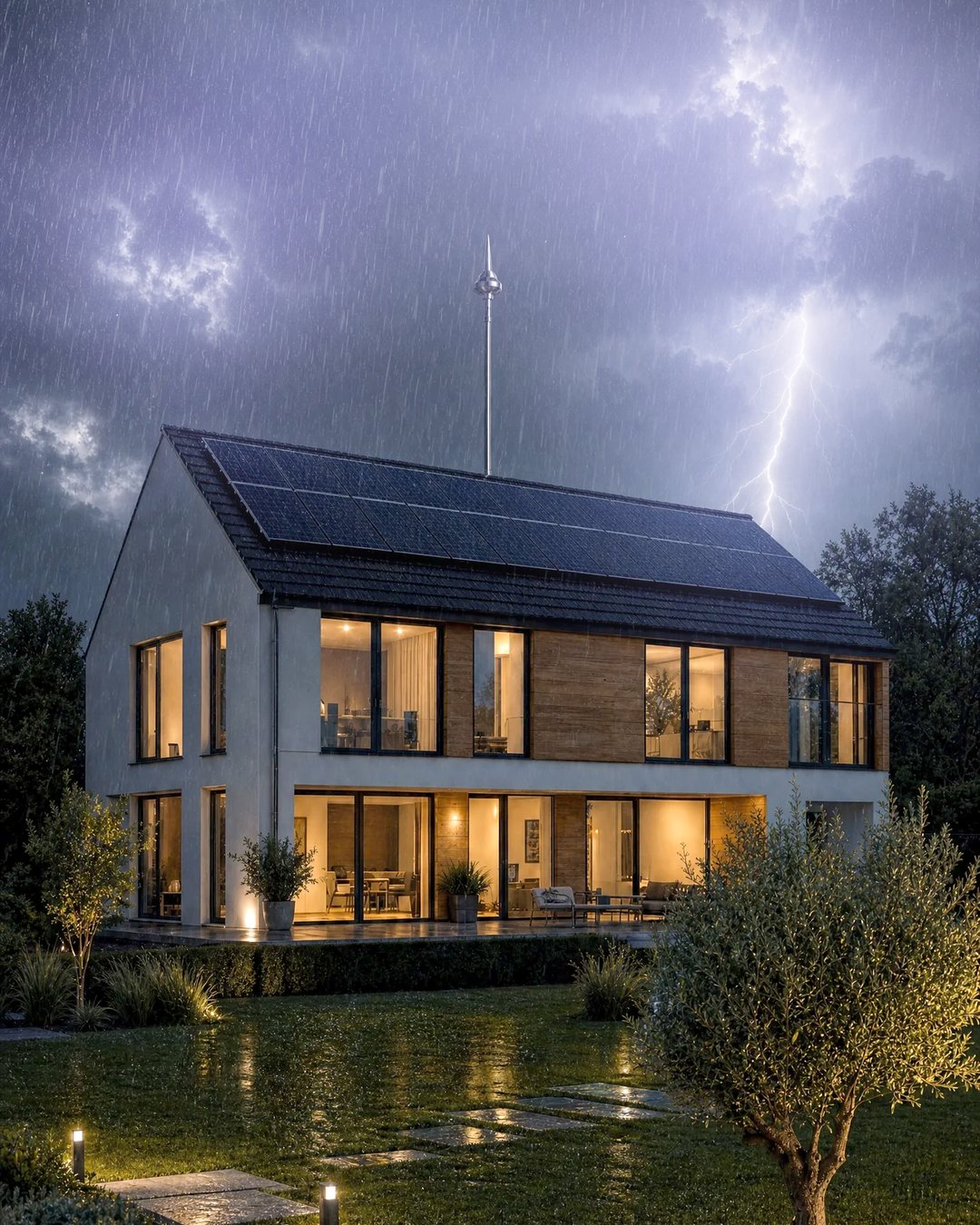
Houses and villasA lightning rod for the house, the yard and the garage. From €1,499 installed.House quote
Lightning protection for all kinds of houses, businesses, public buildings and solar PV. One lightning strike can cost more than the lightning rod. Give us the address, we do the rest.
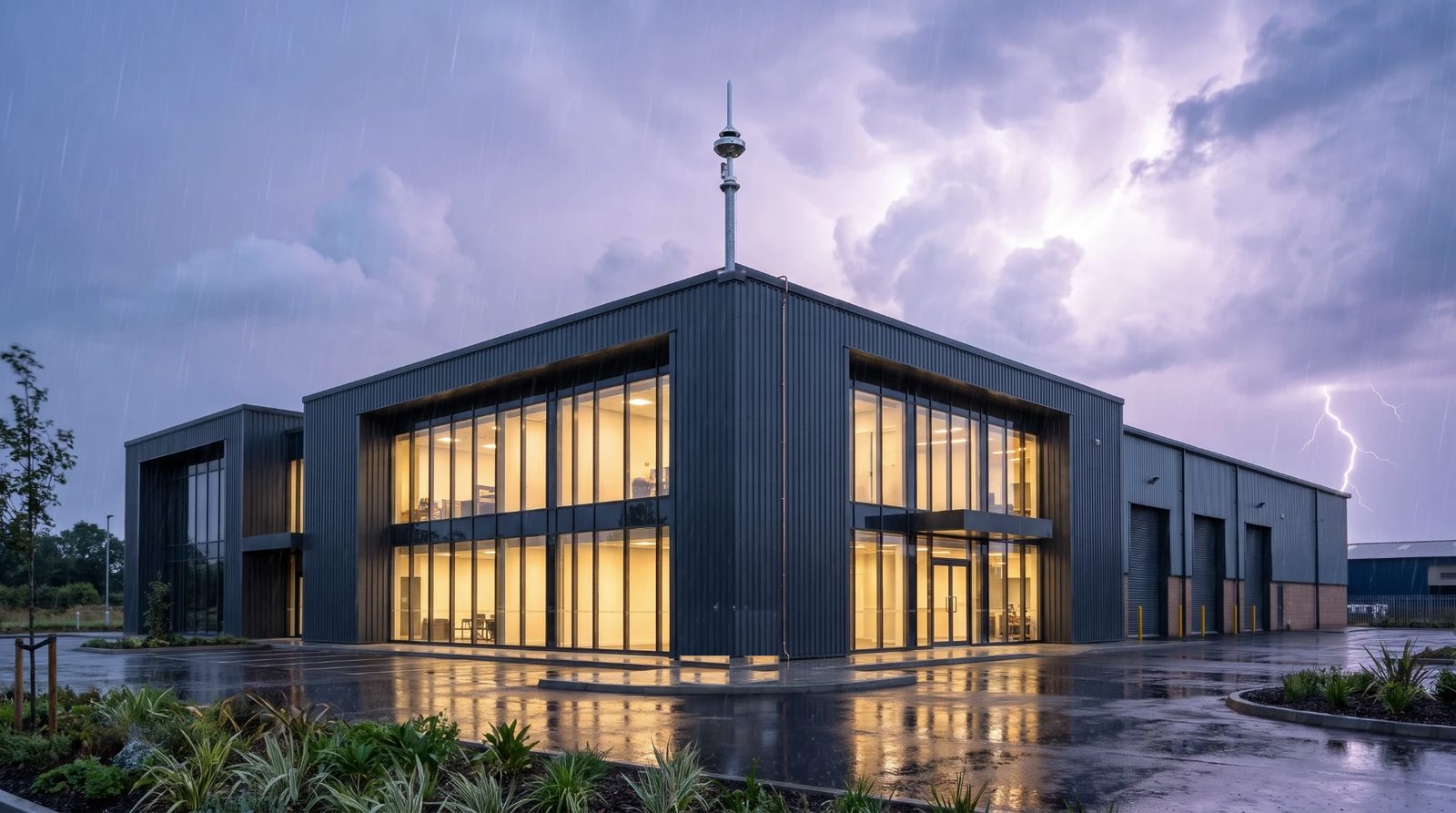
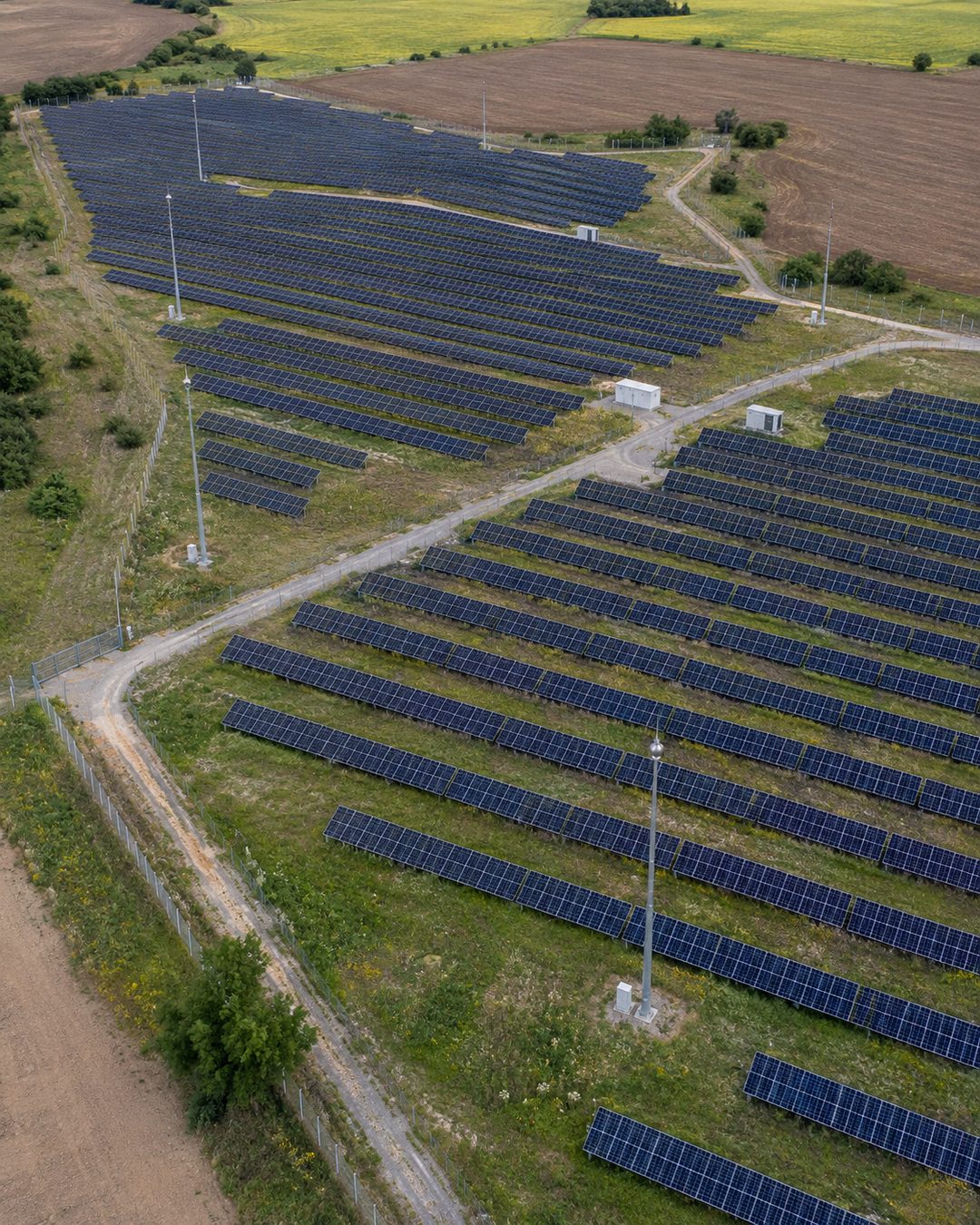
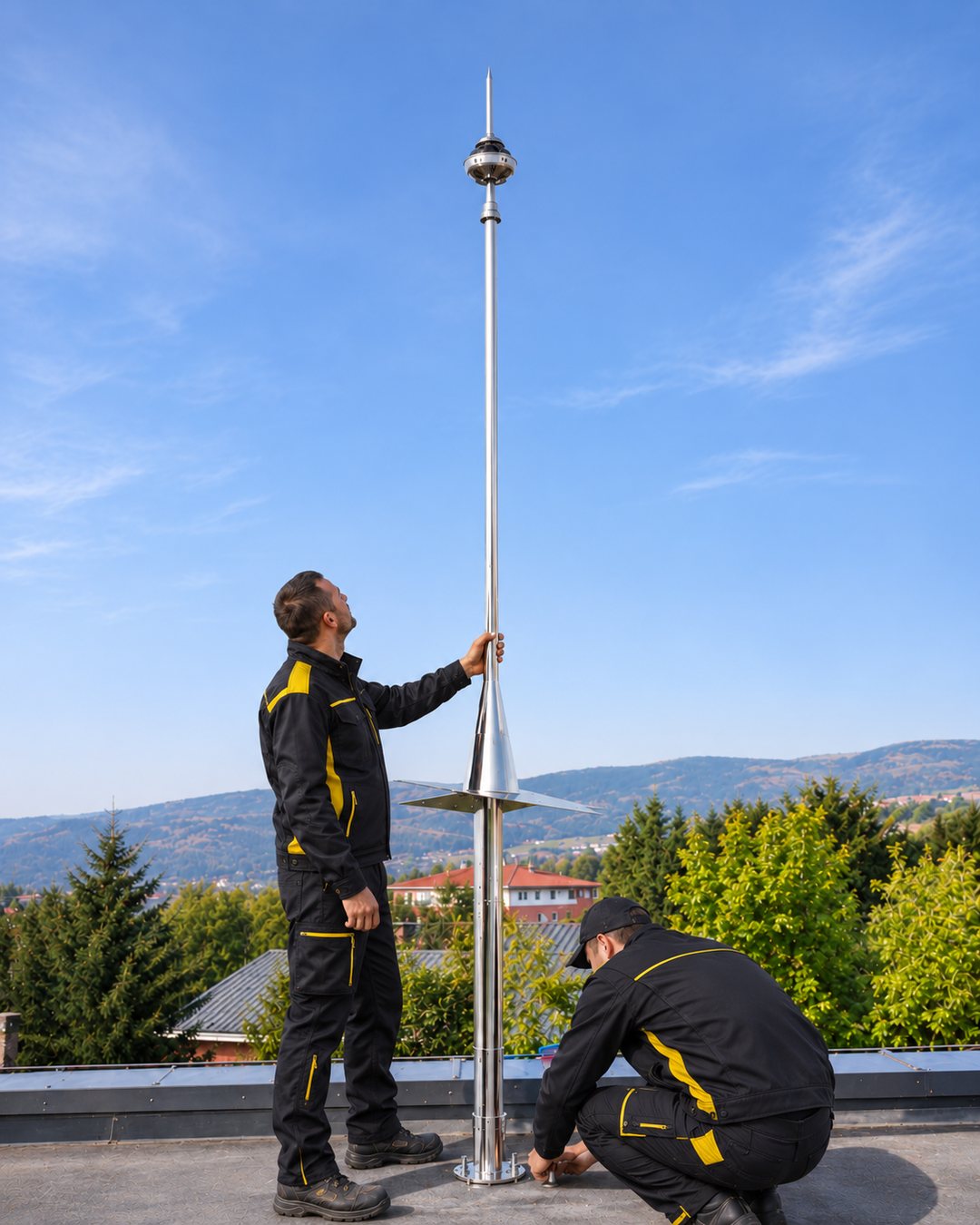
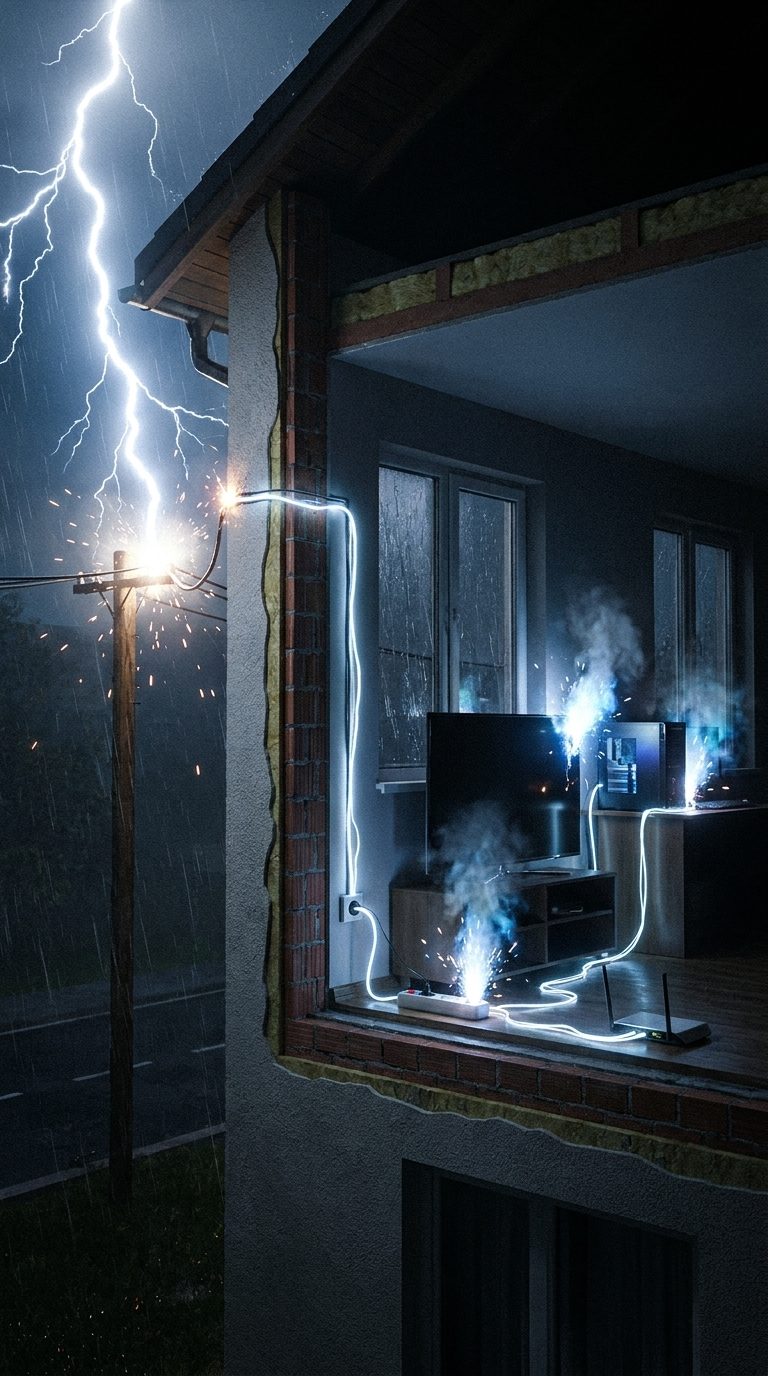
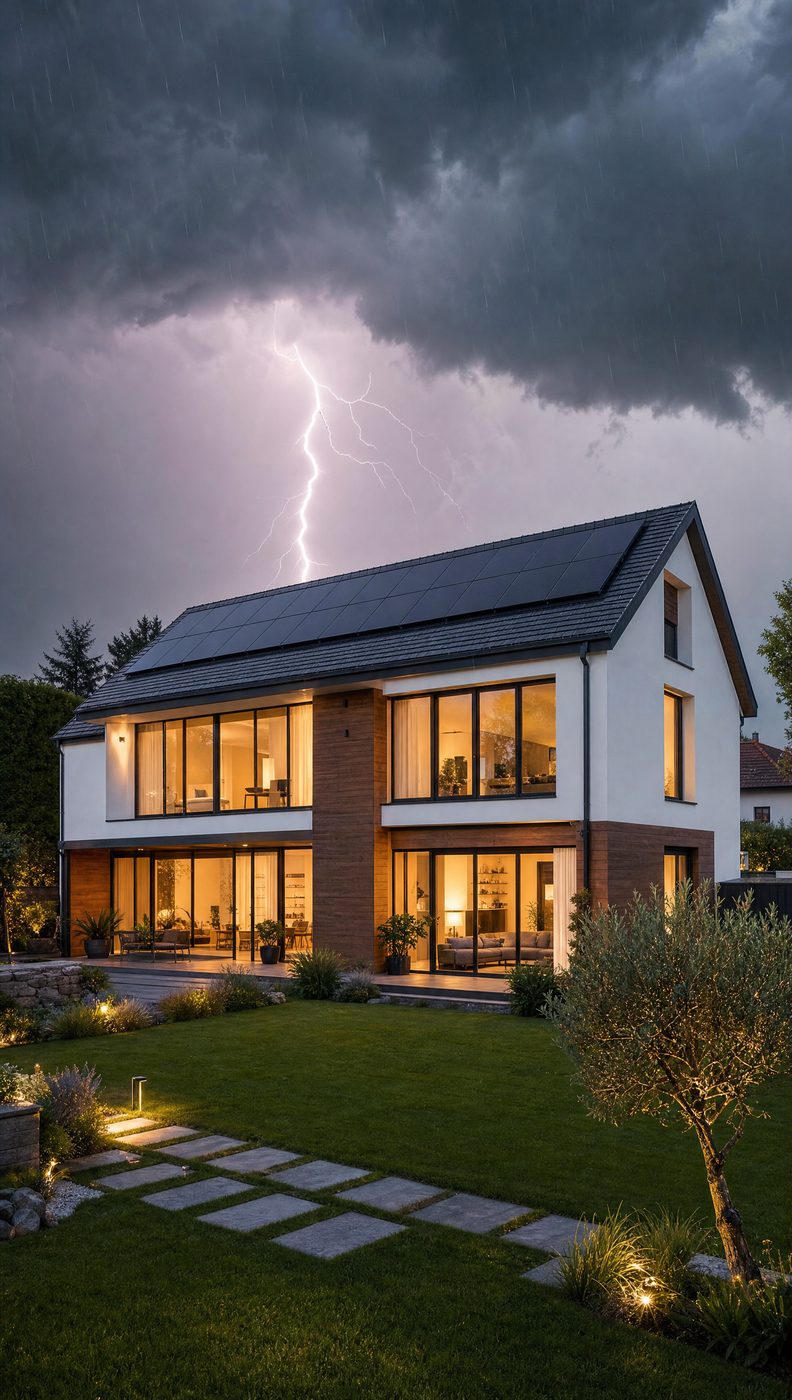
A strike seeks a path to the ground. Without a lightning rod, it passes through the roof, the walls and the electrical installation.
Both types protect the building. The difference is how they capture the lightning, how much goes on the roof and how large an area they protect.
One head on a mast takes the strike before it hits anywhere else.
The classic lightning rod: rods and a mesh of conductors across the whole roof.
| Active | Passive | |
|---|---|---|
| How it captures lightning | One air terminal sends an upward discharge 23 to 63 µs earlier than anything around it | Many rods and a mesh of conductors wait for the strike |
| What it protects | A circle with a radius of up to 111 m around the mast: building, yard, panels, cars | The building it is mounted on |
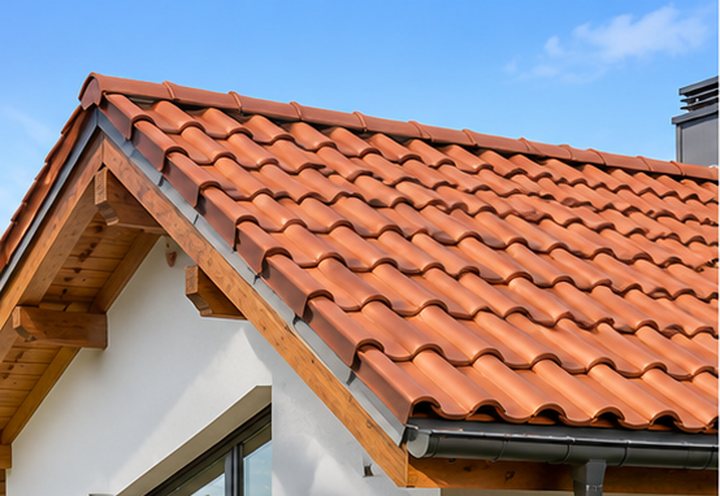
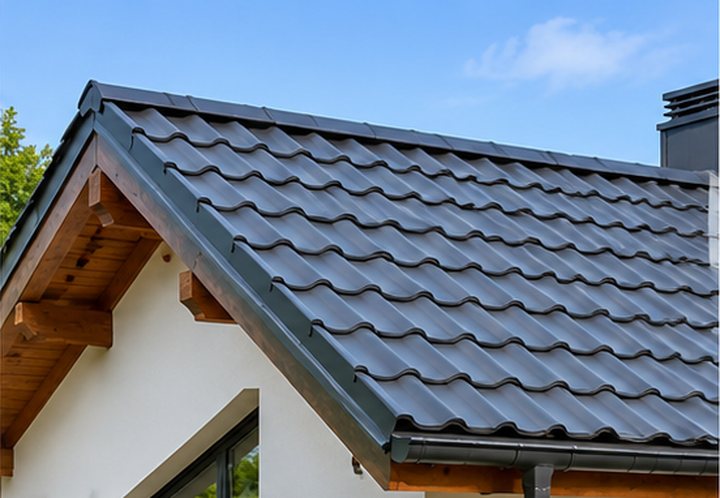
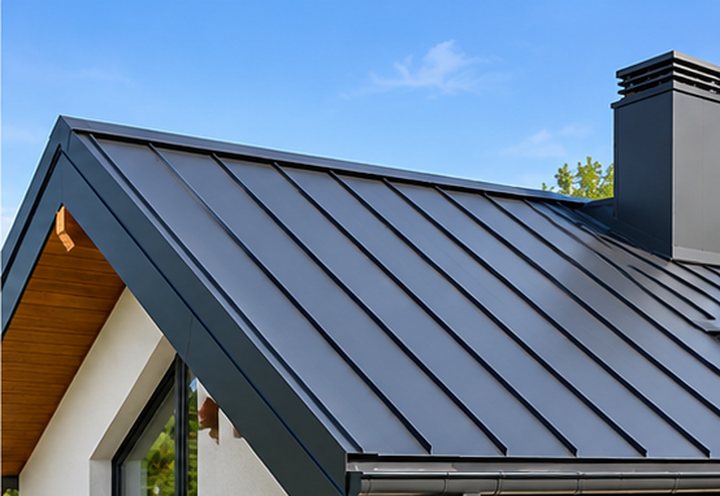
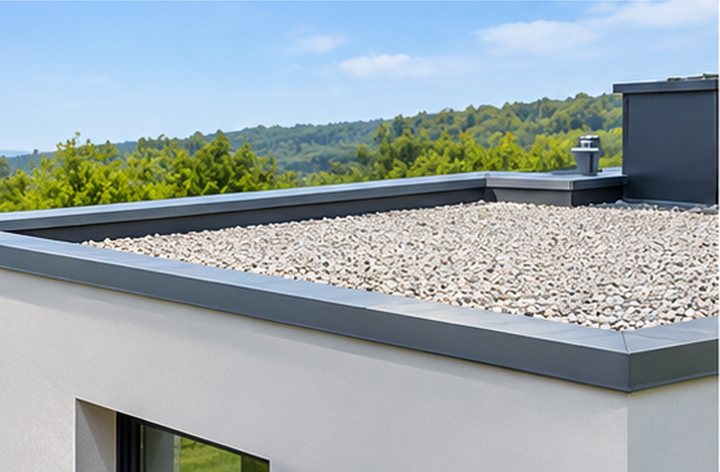
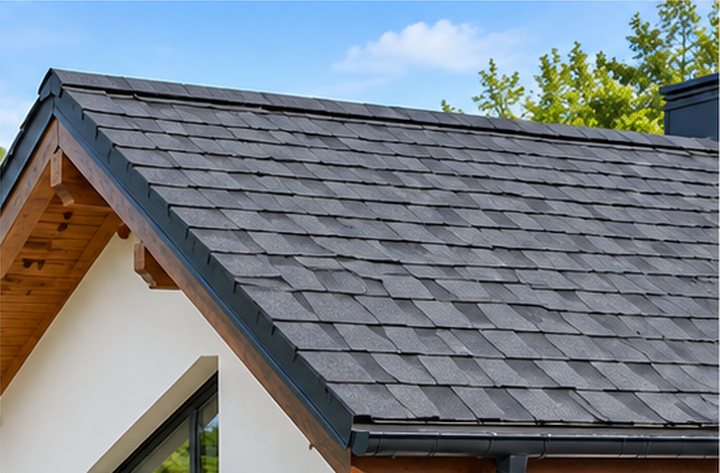
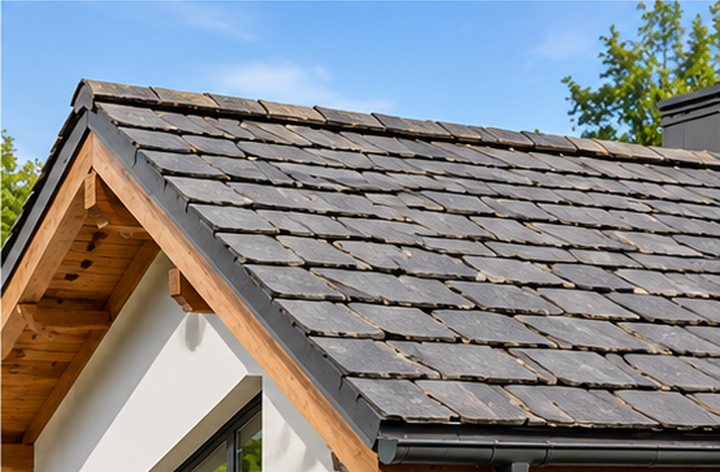
| What goes on the roof | Standing seam metal roof | Rods along the ridge and a mesh over the whole roof |
| What it looks like | One slim mast, barely noticeable | Conductors on the roof and facade |
| Installation | Less work on the roof | More work across the whole roof |
| Standard | NF C 17-102 | BDS EN 62305 (EN 62305) |
| Inspection | For both: earthing measurement and a report, at least once every 1, 2 or 3 years depending on the protection level | |
Not sure which one is right for you? Choose “Not sure” in the form and we will advise you after a site visit.
Air terminals ONAY OLP
Five models. Each head comes with its own product passport, which is also its 35-year warranty card. Tap a model to see everything about it.
We fit the mast, the air terminal, the down conductor and the earthing. Then we measure and give you a report.
Where thunderstorms are expected over the next three days. The data updates automatically.
Loading the forecast…
Storms expected in your area? Check that your building is protected.
Get a free quoteForecast: Open-Meteo · Radar: RainViewer ·
Thunderstorms come most often in the warm months, usually in the afternoon and evening after a hot day.
The House package is from €1,499 installed and from €690 supply only, incl. VAT. It includes an ONAY air terminal from OLP 50 to OLP 214 depending on the coverage needed, a 2 m mast, one down conductor and earthing. The exact price depends on the roof, the height and the soil.
An active air terminal covers a large area with a single head on the roof. Passive protection uses many rods and conductors across the roof. For most houses, businesses and solar PV systems, active protection is simpler to install.
A lightning rod, or lightning protection system, takes the lightning strike and carries it safely into the ground. The air terminal on the roof captures the strike, the down conductor carries it down the facade, and the earthing disperses the energy into the soil.
This is an active air terminal, such as ONAY OLP. It sends an upward discharge 23 to 63 microseconds earlier than other points nearby, so the lightning heads for it, and a single head protects a large area.
The panels on the roof increase the risk of a strike and of surges along the cables to the inverter. The solar PV package includes an air terminal on a mast set apart from the panels, earthing with measurement, equipotential bonding and surge protection: from €990 supply only and from €1,399 installed, incl. VAT.
From 24–65 m for OLP 50 to 45–111 m for OLP 214, depending on the mast height and the protection level.
For new buildings, lightning protection is designed under Ordinance No. 4 on Lightning Protection of Buildings, Outdoor Facilities and Open Spaces. Where the design includes it, the building cannot receive Act 16 until the lightning protection is installed and measured. We provide the measurement report for the documents.
Under Art. 166 of Ordinance No. 4, at least two down conductors are designed when the horizontal projection of the down conductor is greater than the vertical one. For most houses, one down conductor is enough.
Depending on the protection level, at least once every 1, 2 or 3 years. At each inspection the earthing is measured and a report is issued.
Yes, we install across Bulgaria. For remote sites, transport is shown in the quote.
We are not a new company. We are part of the Mitov Electric group: 12 years in electrical engineering and more than 250 completed projects. We hold every certificate needed for sales, installation and measurement. We sell and install certified products only. Every system ends with a measurement and documents that are accepted by insurers, inspection authorities and buyers when the property is sold.
 mitov.bg ↗
Electrical engineering: installations up to 20 kV, transformer stations, smart homes, solar PV, EV chargers and electrical measurements.
 mulniezashtita.eu ↗
Importer of ONAY air terminals for Bulgaria. Products and components for lightning protection and earthing.
Ready-made packages for homes, businesses and solar PV: product, installation, measurement and documents across Bulgaria.
ONAY OLP air terminals carry CE marking, are made under ISO 9001 certified production and are tested in an independent laboratory.
Earthing and lightning protection are measured by an accredited testing laboratory, not judged by eye.
Active lightning protection is built to NF C 17-102, and passive to BDS EN 62305 (EN 62305).
You receive a measurement report, a declaration of performance and the air terminal’s product passport, which is also the manufacturer’s warranty card.
For new buildings, lightning protection is designed and built under Ordinance No. 4 on Lightning Protection of Buildings, Outdoor Facilities and Open Spaces. Where the design includes it, without installed and measured lightning protection the building cannot receive Act 16 (the certificate of fitness for acceptance of the building). We build the system and provide the measurement report that goes with the documents.
Under Art. 166 of Ordinance No. 4 at least two down conductors are designed when the horizontal projection of the down conductor is greater than the vertical one. That is why one down conductor is enough for most houses, and for wider buildings we design two.
Do you work with electrical installations, roofs or solar PV? We help you offer lightning protection to your clients. You don’t need to be a company to contact us: leave your name and we will call you.
Ready for lightning protection?
Call us or request a quote. We reply within the working day.